Béarla

Cuireann ár bhfoireann ráthaíocht ar-am ar fáil agus ráthaíocht sástachta custaiméirí 100%.
Teagmháil Ar Líne


 Baile / Nuacht / Nuacht Tionscal / M54 Belt Diagram: Complete Engine Routing Guide for BMW E46, E39, E53, E60 & X3
  2026.09.01
 Nuacht Tionscal
You are standing in front of your BMW M54 engine, belt diagrams from forum threads on your phone screen, and you still cannot tell which belt goes where. The M54 is not as complicated as it looks. It has a two-belt drive system, and every pulley on the front of the engine fills one specific job. A common scenario: you hear a squeal when you pull away from a stop, or you see the alternator light flicker under load. Those symptoms often trace back to a belt that has lost its grip, or an alternator pulley that is no longer running true.
Every M54 engine uses two belts. The main belt is a 5PK (five-rib) belt that drives the alternator, water pump, and power steering pump. The AC belt is a 4PK (four-rib) belt that drives only the air conditioning compressor. The main belt routing follows this order: crankshaft, alternator, water pump, power steering, then automatic tensioner.
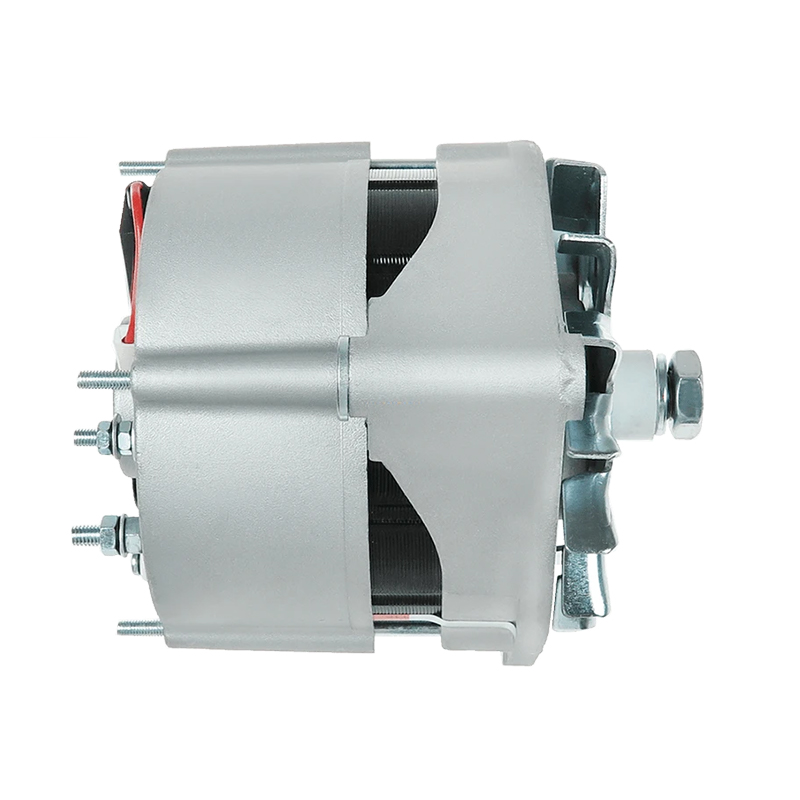
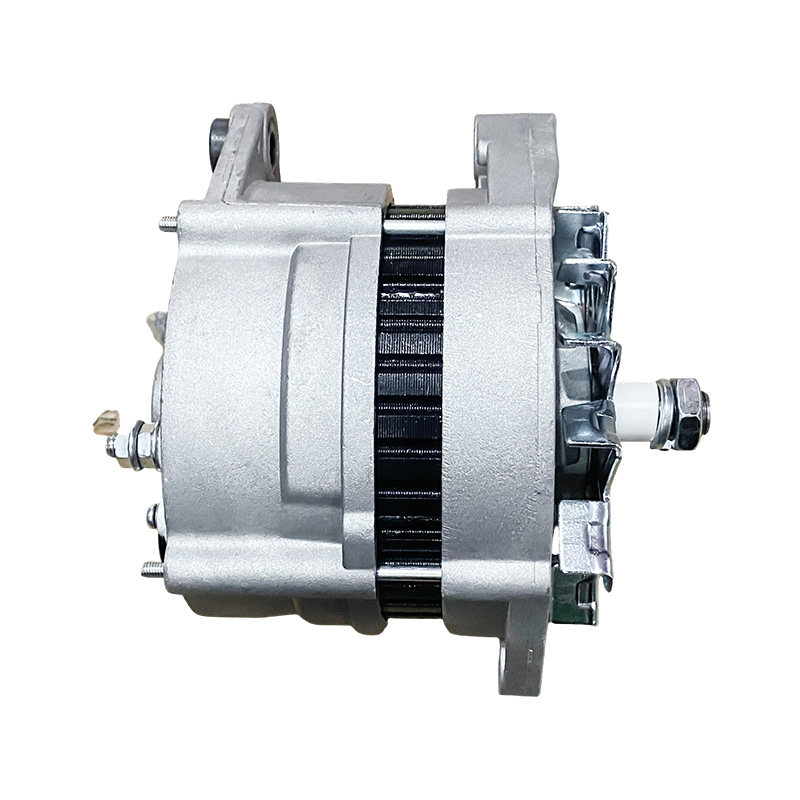
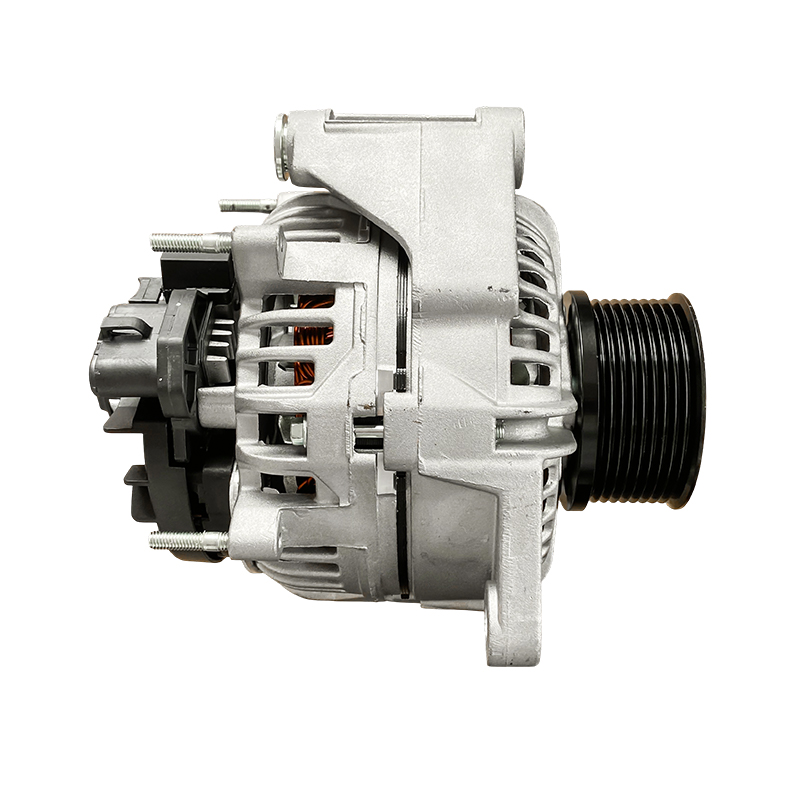
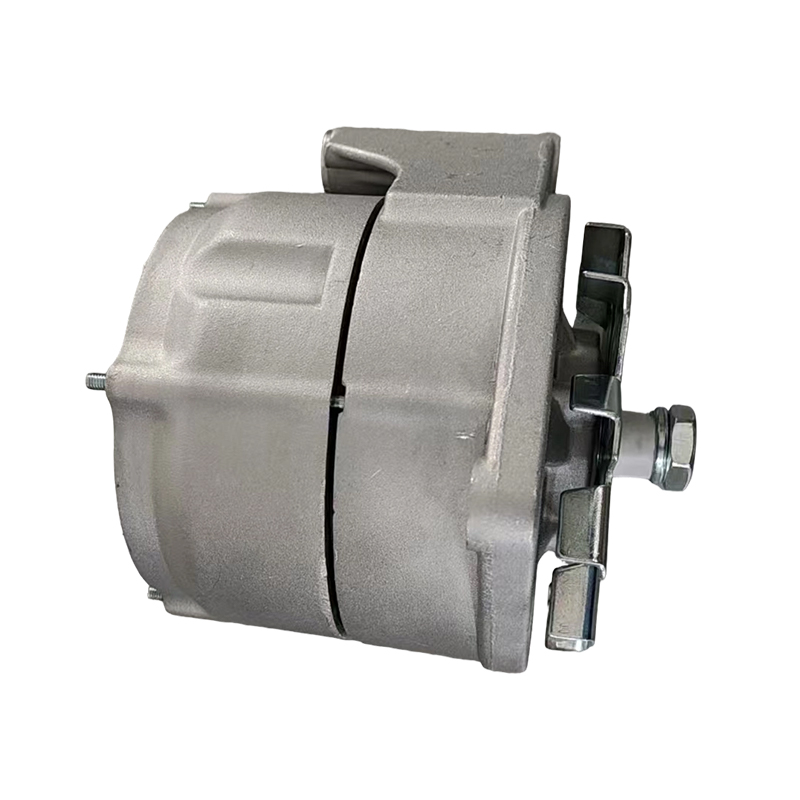
The alternator on this engine is a 12V 120A unit with a 5PK pulley. Inspecting the alternator pulley for bearing play is part of a proper belt job, since a failing alternator will cause the belt to squeal and eventually skip grooves. If you need a replacement, the direct-fit Valeo alternator for E46, E39 and E53 is built for the M54 belt system.
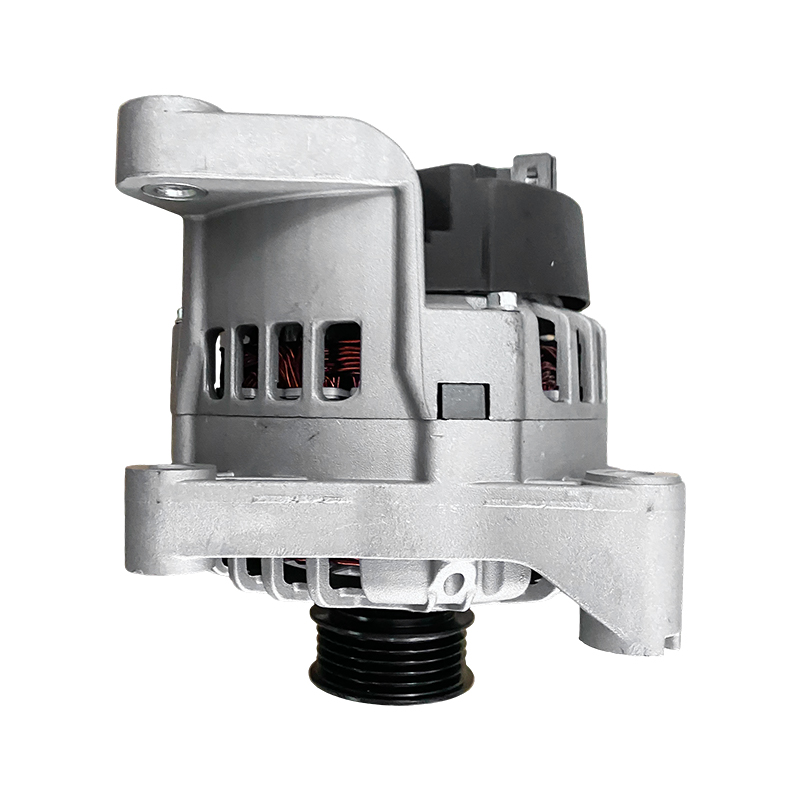 12V 120A 5PK Car Alternator for BMW E46/E39/E53, MG ZT – Replaces BMW 12-31-2-247-389, VAL Keep your M47/M57 diesel BMW, MG ZT, or Rover running reliably—even with upgraded audio, auxiliary lighting, or frequent short trips—with this 12V 120A car alternator.... View Product →
 The M54 uses a split accessory drive. The engine swaps from the older M52TU four-rib layout to a five-rib main belt, starting with vehicles produced after September 2002. This change gave the belt more grip on the pulleys, reducing slippage under the higher alternator load of the 120A charging system. The two belts never cross paths and have separate tensioning systems.
A five-rib belt drives the alternator, water pump, and power steering pump. The automatic tensioner maintains preset tension without any manual adjustment. Typical main belt length for E46 M54 is about 1475 mm.
A shorter four-rib belt drives only the AC compressor. It sits lower on the engine front, separate from the main drive layout. On M54 engines, the AC belt has its own tensioning arrangement, usually with a small idler pulley.
The 12V 120A alternator sits at the top of the main belt path. The 5PK pulley is machined for five ribs. A worn alternator bearing creates a wobble that shows up as belt squeal, especially at cold start.
The automatic tensioner on the main belt is a spring-loaded unit with a damping fluid inside. It keeps the belt at the correct tension across a wide temperature range. When the tensioner fails, it usually loses its damping action, which lets the belt oscillate and slip. A slipping main belt shows up as smoke at the crank pulley under hard acceleration.
Belt tension has a direct effect on charging performance. The chart below shows the actual alternator output of a 120A M54 alternator under three belt tension conditions.
An under-tensioned belt cannot transfer full torque from the crankshaft to the alternator. Output drops, and the battery will discharge during idling. An overtightened belt does not improve alternator output but will destroy the alternator bearing, requiring premature replacement. In practice, a battery light that appears only at idle is often the first sign of an under-tensioned main belt. If you measure voltage at the battery with a multimeter while the engine idles and see 12.4V or lower, the belt is not driving the alternator enough to keep the charge up.
The M54 is spread across several BMW chassis. Understanding where the largest replacement volumes sit helps you anticipate which belt and alternator specs to stock for your workshop.
This is the workflow that works for an M54 belt replacement. It takes under an hour with the right tools, and it gives you a chance to inspect the alternator and tensioner before they fail. A typical belt job costs between $40 and $100 in parts, while a new alternator runs $150 to $280 for the unit itself.
Check the production date. M54 vehicles from September 2002 onward use the 5PK main belt. Earlier M52TU cars in the same body shells still use the 4PK belt.
Use a 17mm socket on the automatic tensioner to relieve belt pressure. Rotate the tensioner in the release direction and slide the belt off the alternator pulley.
Take off the main belt first, then the AC belt. Never force a stubborn belt off a pulley with a pry bar, since it can crack the alternator bracket.
Grip the pulley and try to wobble it. Side-to-side movement of more than 1mm signals a failed bearing. A failing alternator also causes belt squeal during cold starts.
Route the main belt over the crank, alternator, water pump, power steering, and tensioner in that order. The AC belt goes over the crank and the compressor. Verify no belt is twisted.
Start the engine and verify the belt tracking. Let it run for two minutes, switch the AC on and off, and confirm the belt does not walk off the pulleys.
BMW does not publish a fixed service interval for M54 belts, but the practical rule that holds for the E46, E39, E53 and E60 is to replace both belts every 60,000 miles or six years, whichever comes first. The belts age at the same rate, so doing one without the other wastes a labor charge.
After installation, check these three points:
Use the correct belt width. Fitting a 6PK belt on an M54 engine is a common mistake because a 6PK belt wanders off the 5PK pulleys. The same logic applies to the alternator: a 5PK alternator must stay with a 5PK belt system. If the alternator is due for replacement, specify against the original OE number and match the pulley profile, since the manufacturer behind the Xiyun brand tests every unit for load and belt compatibility before shipping.
Keep a record of the belt replacement date and mileage. This matters if you sell the car, and it helps the next owner avoid a breakdown. The M54 is a durable engine, but it depends on the accessory drive staying aligned. A skipped or thrown belt usually means an alternator or tensioner has started to fail, and replacing the source of the wobble is what prevents the problem from coming back.
Táirgí Molta
Le haghaidh Tairiscintí Eisiata agus na Margaí is Déanaí, Ná bíodh leisce ort Déan Teagmháil Linn!
Cuirfimid an prionsabal "caighdeán an chéad, an chéad chustaiméir, bainistíocht dhian, agus bragusa cáiliúil a chruthú" i bhfeidhm gan staonadh. Gairmiúil Déantóirí Malartacha Feithicleach OEM/ODM and Soláthraithe Malartacha Trucailí Trom-Dleachta sa tSín.
Táirge
Eolas Teagmhála.
+86-180 5150 2183
+86-0510-83880396
Uimh. 11 Bóthar QiBei, Baile Yuqi, Cathair Wuxi, Cúige Jiangsu, an tSín
 Soláthraí Malartach OEM Malartach Feithicleach Saincheaptha Soláthraí Malartach Trucailí